SPORT TRAUMA AND RESILIENCE
Dr. Benedetta Bonato
THE PRINCE AND THE DIAMOND
A prince had a magnificent diamond, of which he was very proud. One day, accidentally, the gemstone was completely crawled.
The Prince saddened by this fact, decided to put all his efforts to make the diamond as beautiful as it was in the past.
Therefore, he called the most skilled specialists in order to recover its original beauty. However, despite the efforts, wasn’t possible to erase or cover the smear. Later, a brilliant lapicide appeared.
With art and patience he cut into the diamond a magnificent rose and in this way he was able to cover the smear ... in a way that the precious stone appeared, later, much more beautiful than before.
We want to start from here this time.
From the events of our life that elude us, surprise us, change us and sometimes block us.
One example : the TRAUMAS that are possible to face in the course of our lives. Traumas are encoded by our therapeutic index with different names.
We can divide them into traumas with the “T” as capital letter, or with a small “t”, to understand which events can be considered serious impediments or not.
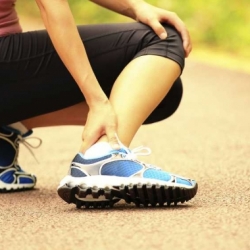
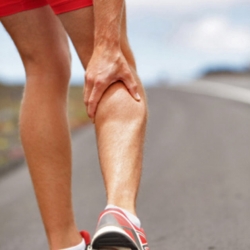
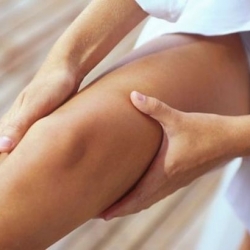
In general, sports injuries (traumas) can be considered with the small “t”, but, let's think about those who live with sports, about early champions who invest time, energy and resources in sport as a lifestyle choice.
Surely, they think differently! Let's think about a young boy who plays football for being with his friends;
Let's think about a girl who goes to the gym to keep fit, to those who are building their future on sport and also to those who simply put their energy into a marathon's preparation ... Every trauma is different - this is completely true in the psychology of emergency and, therefore, also in the world of sport.
Every person needs to be listen and understood, even in the rehabilitation, to be able to help this kind of people during the recovery.
In some cases, there are also psychological repercussions, in addition to physical problems, and these must be taken into “an equal” consideration.
In the most intenses cases, it is possible to talk about PTSD (Post Traumatic Stress Disorder).
Personally, I help athlets with different traumas or sports accidents. This kind of problems distanced the athlets from the sport and in these cases is necessary a psycology support.
Some of them expressed their PTSD symptoms such as insomnia, agitation, nightmares, flashbacks and intrusive thoughts related to the time of injury. Others expressed less confidence about preparing themselves for a new race.
What if you feel that this trauma is not only about sports - and it involves more aspects of your life?
The key phrase is activate the resilience process!
Resilience is, in simple words, people's ability to deal with adverse events of life and resume activities, even with changes, without being too destabilizing.
We are all resilient, but it depends on how we have been used to solve small “traumas” or to face difficulties.
This is how we can help ourself! The resilience must be enabled, and the resources reactivated. It can be sufficent a psycologist support but, sometimes, it's possible to use also other specific techniques.
One above all that, is EMDR (Eye Movement Desesitization and Reprocessing), which provides: few sessions with an expert trainer in the art to face the trauma. EMDR consists in trauma processing (cognitive, emotional and physical) with the use of eye movements stimulated by the therapist.
The Therapyst will help you to reconnect the damaged parts.
For more information please visit www.emdritalia.it
Or feel free to contact : info@rbremedia.it









 Cosa Aspetti? Provala Subito!