Let's talk about the ne discoveries of metabolic science with Pier Luigi Rossi, professor at the University of publications.
Do we build our health while eating?
All najoer worldwide researches of edidemiology says that the determinants of health are 50% related to our lifestyle, where feeding has a large weight.
The quality of the food more than the quantity, then?
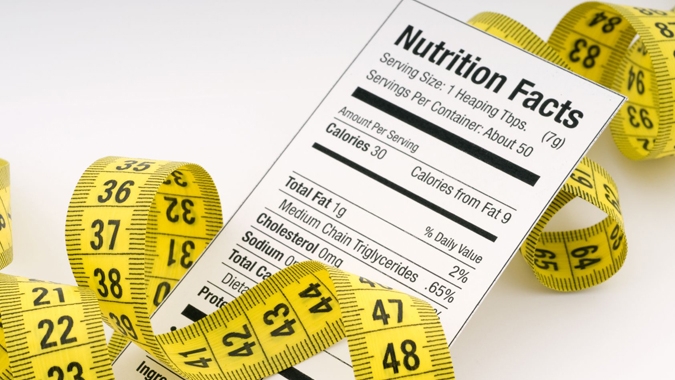
Calories are a parameter that refers to the year '800, but if you want to stay within the logic of the future you need to change the approach to food and no longer thinking about in the form of calories, but in the form of molecules.
Are there any basic rules tha apply to everyone?
We need to shift the focus on the effects that food has on our body and stop thinking only to concepts such as calories and weight.
How to change our diet on the basis of these new concepts?
To test the effects that food has on our bodies, we could carry out two tests: blood glucose control and insulin check and then implement an indicato of insulin addiction.
A very different concept than the calories control.
There is a real diet market, so the diet is a product that is thrown on the market. "Do you want to lose three kilograms? Eat like this". This is market, not science.
Does what we eat produces a gene modulation?
Nutritional genomic is the study of the effects of food on the DNA molecules. The effects that food has on our bodies are different. Two people who eat the same two pieces of bread do not react in the same way. The starting point is: know your body, choose your food.
Even the pharmacists, have a role?
We have described an innovative scientific scenarios and we must convey this information in a new key area as feeding. The pharmacist has a central role and can provide an essential service to the public health. Pharmacy is the place of public health that can deliver cognitive services to the person, and pharmaceutical care according to the English model.






















 Cosa Aspetti? Provala Subito!